

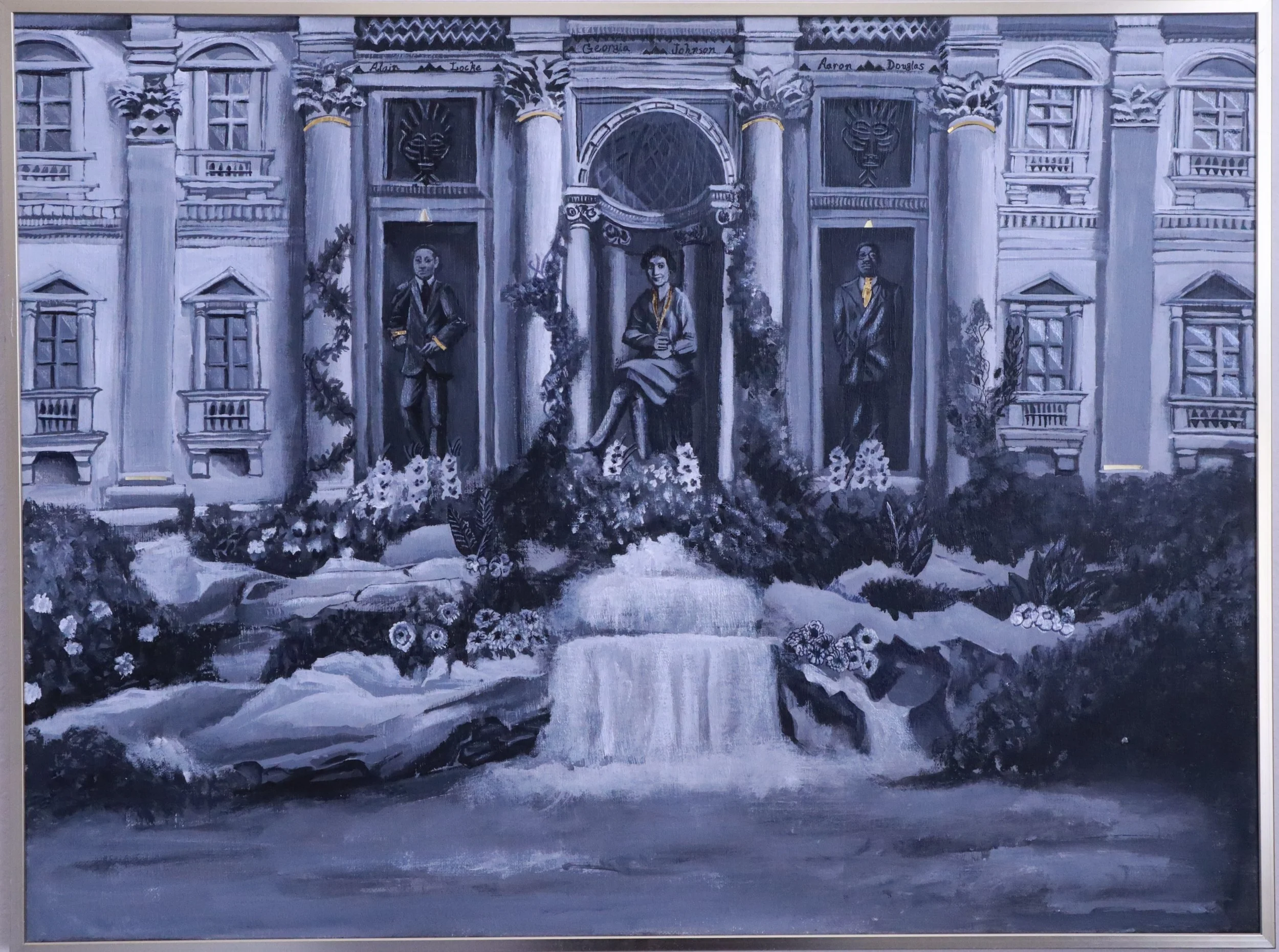
THE START
At the end of the year in 2024, I was in a completely new environment, isolated from all of what I once knew. In hindsight, I knew it would be the best outcome for my growth as a person and artist. However, it left me pondering on who I am as a person, and if I truly stick to the things I say I desire for myself and my community. At that moment I came to a revelation on how I wanted to use my gifts for others. I have deep love for research and education, and deeply value conversations that feed into my curiosity of the world. Moreover, my goal in creating art goes deeper than making cool-looking things. I enjoy the art of storytelling and visual narration. And having the ability to combine all of these passions and ideas became so clear to me.
Even before the banning of books and recent issues within the Department of Education, I found a sense of urgency in gathering and being aware of our history. Especially as we enter a more digital age and time of reliance on systems beyond our abilities. This led me in the direction of a time-period I have always had a great appreciation and awe for, The Harlem Renaissance. During the aftermath of The Great Migration, African Americans had to build their economic, cultural, and educational stature from the ground up. While in the midst of active segregation, racism/prejudice, and constant “legal” obstacles. Making it nearly impossible to establish themselves in the booming and uprising North. However, it was done in a manner never seen at that point in history.
Then three points dawned on me, the first, the ability to create a name and voice for your community not yourself was a common thought. It wasn’t “How can I serve myself?”, but “How can I build a solid stable community for my people and by my people?”. While of course, people have alternative motives like power, pride, and ego. During that time, reliance on each other wasn’t a matter of choice but survival. The second point, do we have that same desire for connection? Are we searching and going out of our way to serve and better one another? Or is it just every man for himself? And my final point, who is documenting the times we live in? A simple look at what our predecessors were asking for would show eerily accurate parallels in our demands today.
This lead me to find people during the Harlem Renaissance that are not as commonly known, and aligned with my three pillars of Community, Connection, and Communication (Documentation).
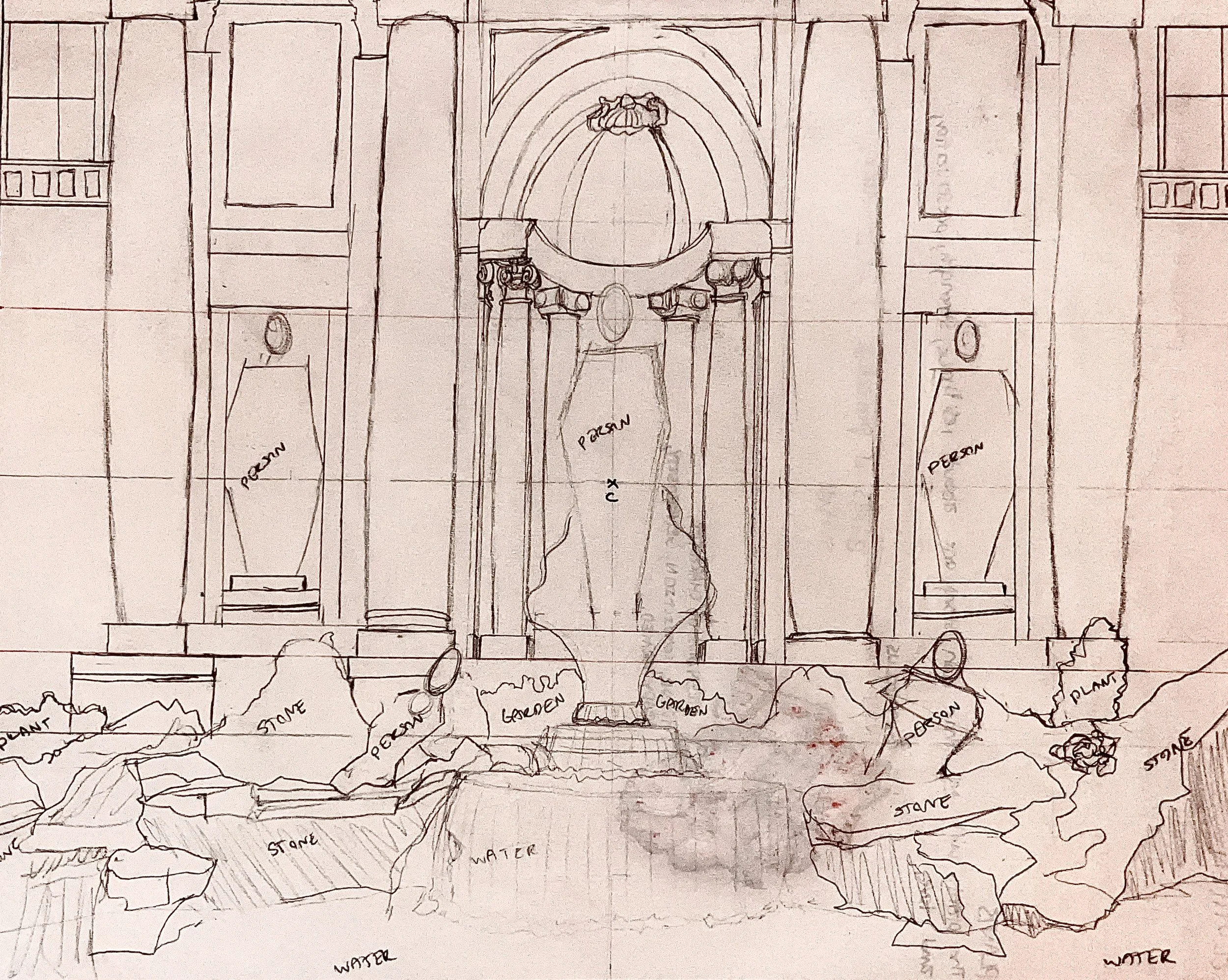
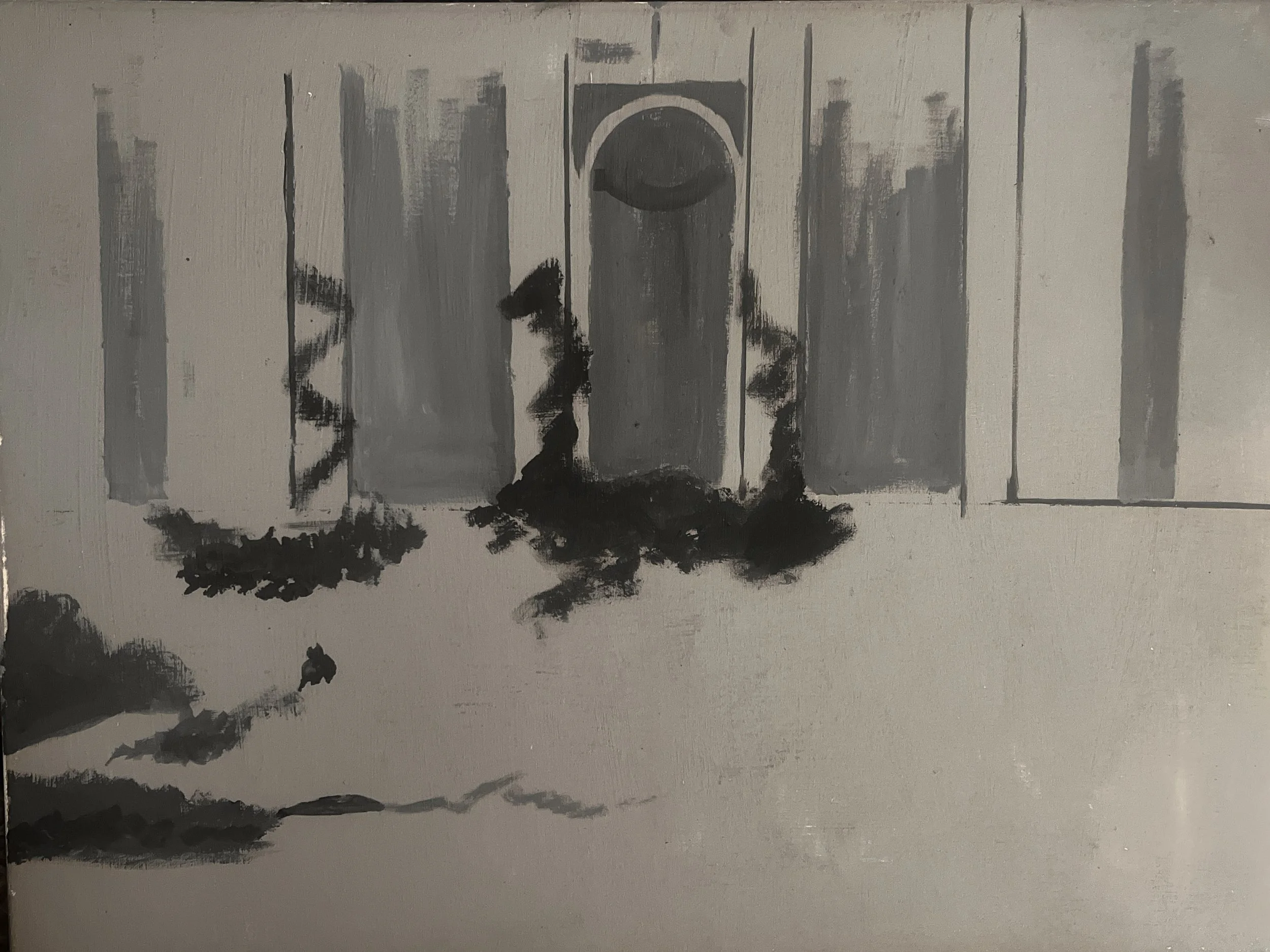
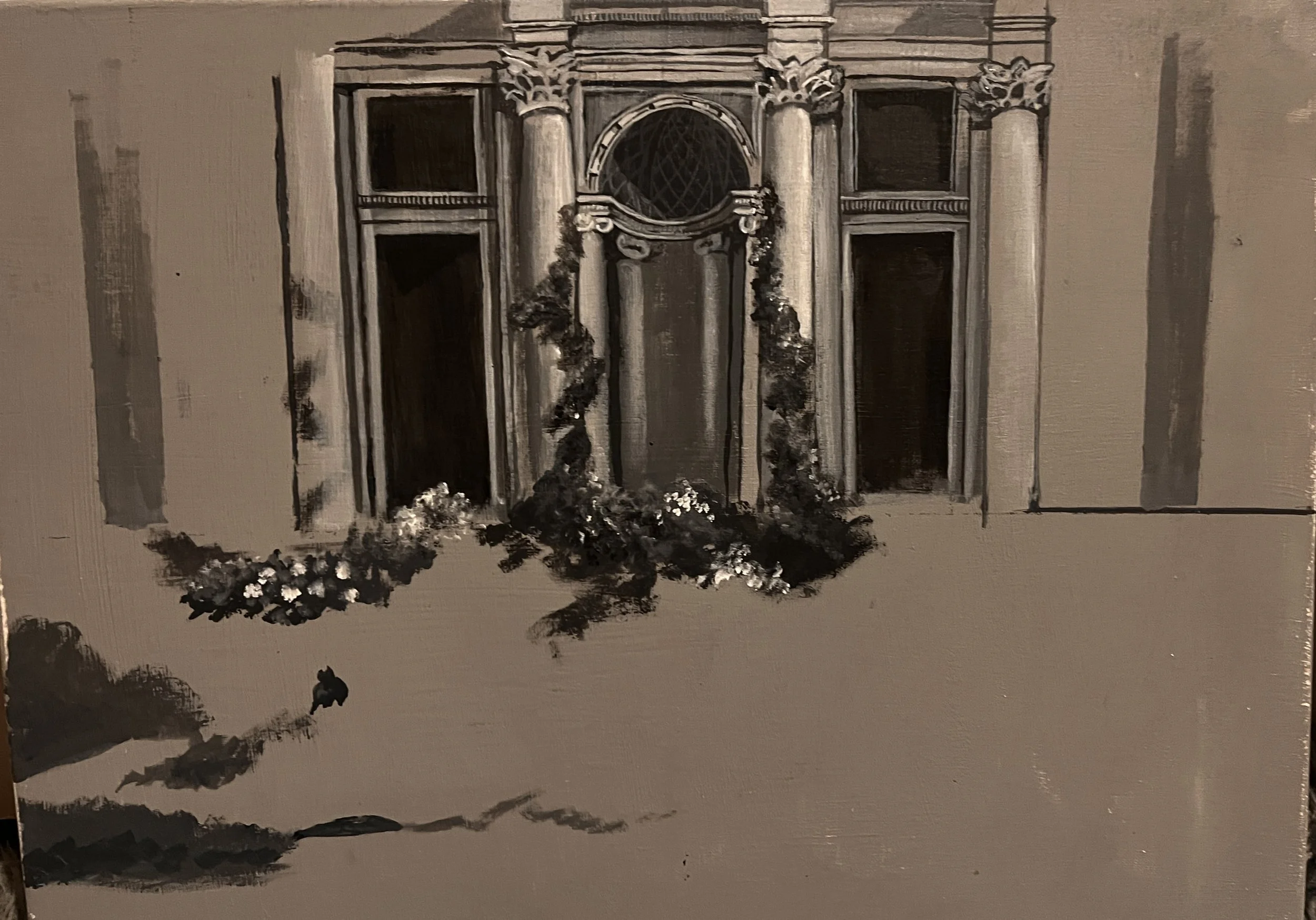
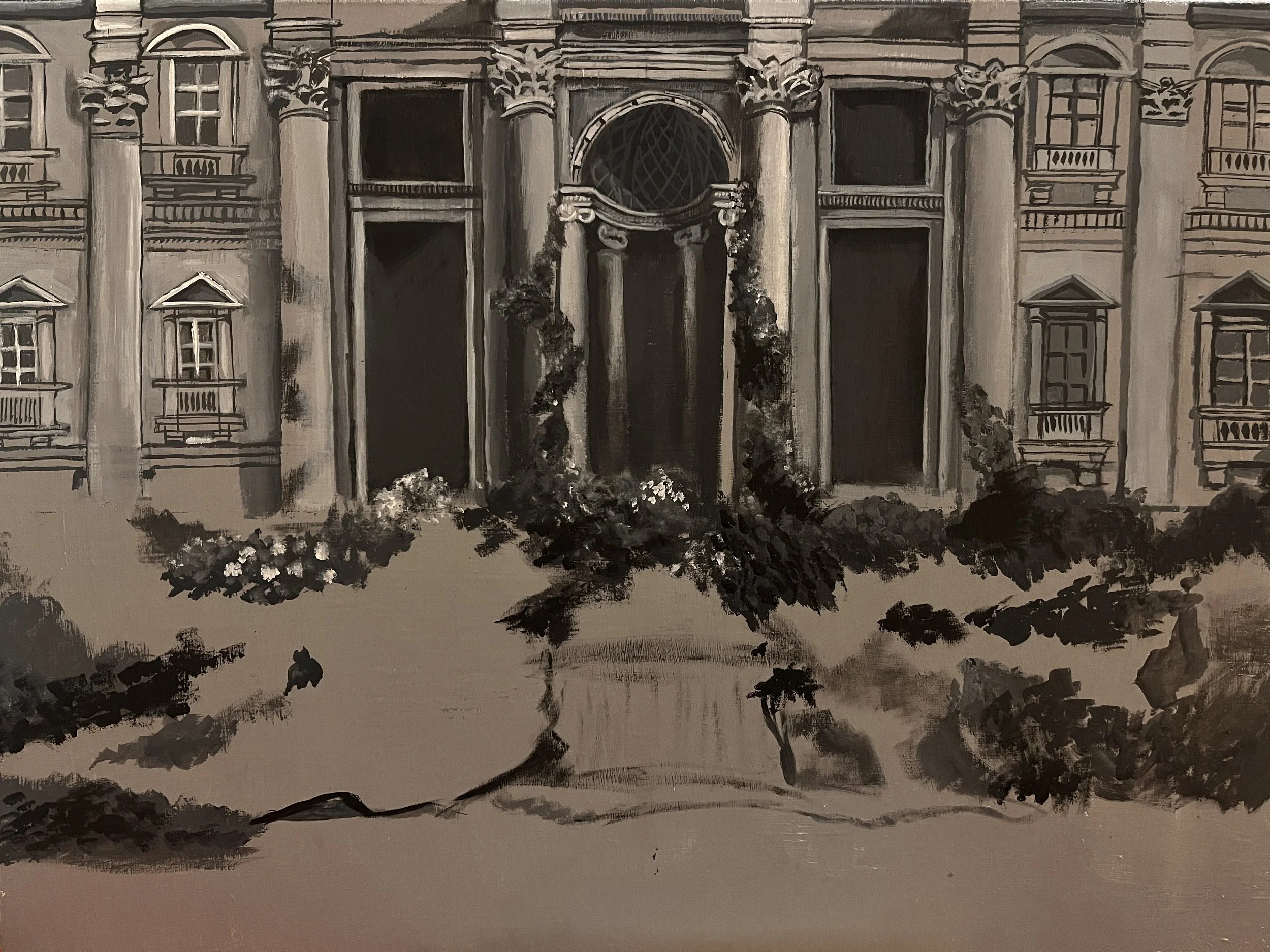
the sketch
Meet The Pillars
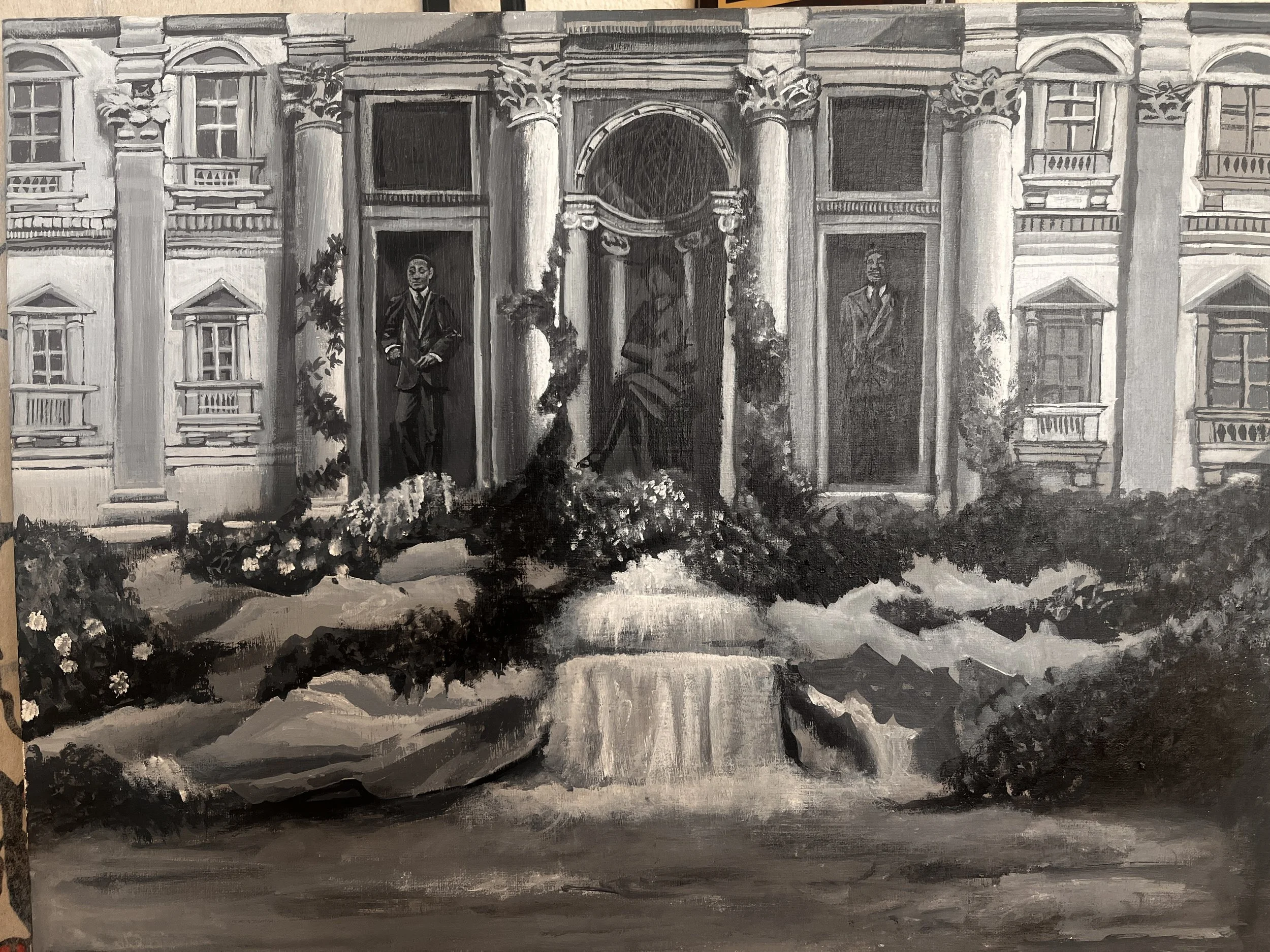
The figures below are the people I chose to highlight from the Harlem Renaissance as well as in my painting (from left to right) Alain Locke, Georgia Douglas Johnson, and Aaron Douglas.
-
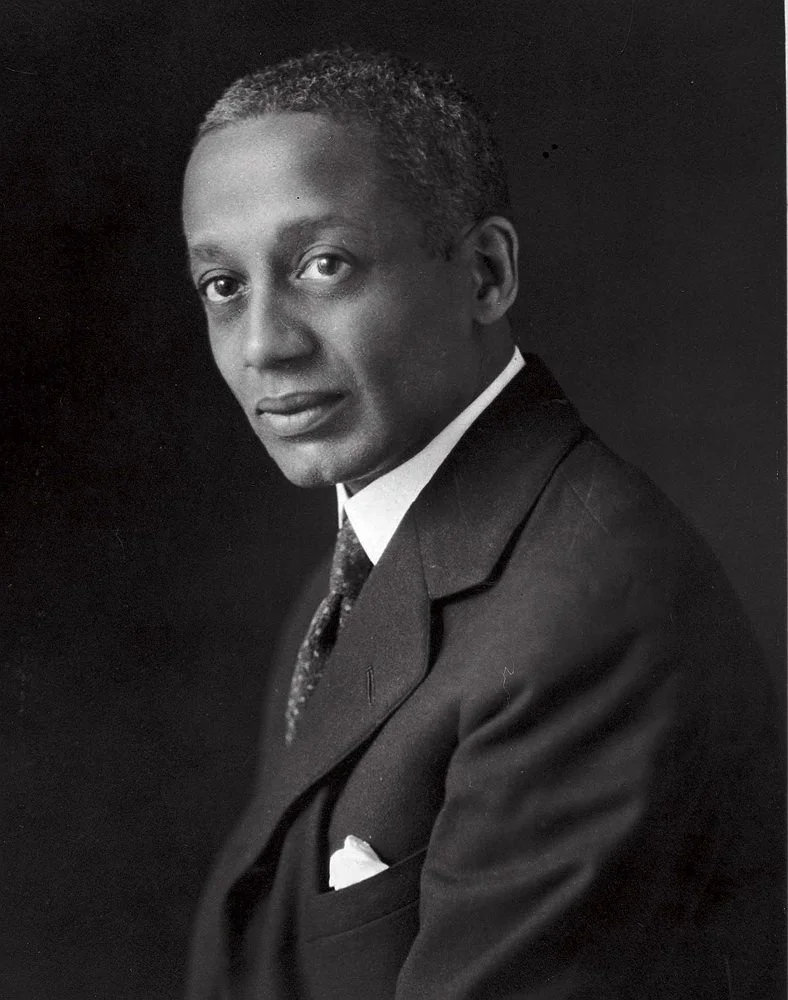
Author of “The New Negro”, Dean of The Harlem RenaissanceAlain Locke was a philosopher, social activist, and educator at Howard University. He was responsible for the development, editing, and curation of multiple magazines, poems, playwrights, and more. Which led to his popular issue with The Survey on a special feature on Harlem in 1925. This issue led to the birth of what some call the anthology and expansive definition of cultural movement during The Harlem Renaissance, “The New Negro”. This book spoke on the future of Black America, the arts, culture, politics, and demands of young Black Americans in the 1920s. Known as one of the most influential people of that time, Alain Locke instilled the pillar of connection for activist, writers, artist, and more and highlighted them all in a publication that tells the story of what it was like to be present during that time.
-
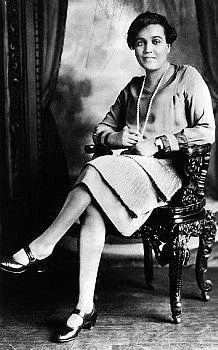
Poet, Playwright, Social Activist
Georgia Douglas Johnson was one of the earliest female playwrights of the 1920s and one of the most influential figures of The Harlem Renaissance. Known for opening her home as a safe-haven for artist, writers, and creatives alike to craft a space called “The S Street Salon”. Served to be one of the most pivotal spaces and a beacon for understudied and experienced writers of that time. Regular visitors included Langston Hughes, Jean Toomer, Mary Burrill, Angela Weld Grimke, Alain Locke, and many more. Johnson’s S Street Salon shaped the trajectory of African American theatre as well. Securing her role as one of the major figures in the growing efforts of The Harlem Renaissance.
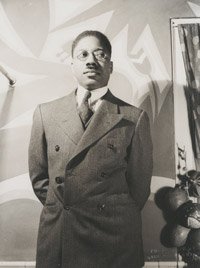
-
Artist, Illustrator, and PainterAaron Douglas was one of the more successful visual artist during the time of The Harlem Renaissance. After working on the cover illustration for “Opportunity Magazine” (a publication through the NAACP), his career shot up. Douglas developed a unique aesthetic that linked Black Americans with their African past by using imagery derived from African sculptural and ancestral art to express aspects of the Black experience in the United States. Through his collaborations, illustrations, and public murals, he established a method of combining elements of modern art and African culture to celebrate the African-American experience and call attention to racism and segregation. He made works for James Weldon Johnson, Alain Locke, and more.


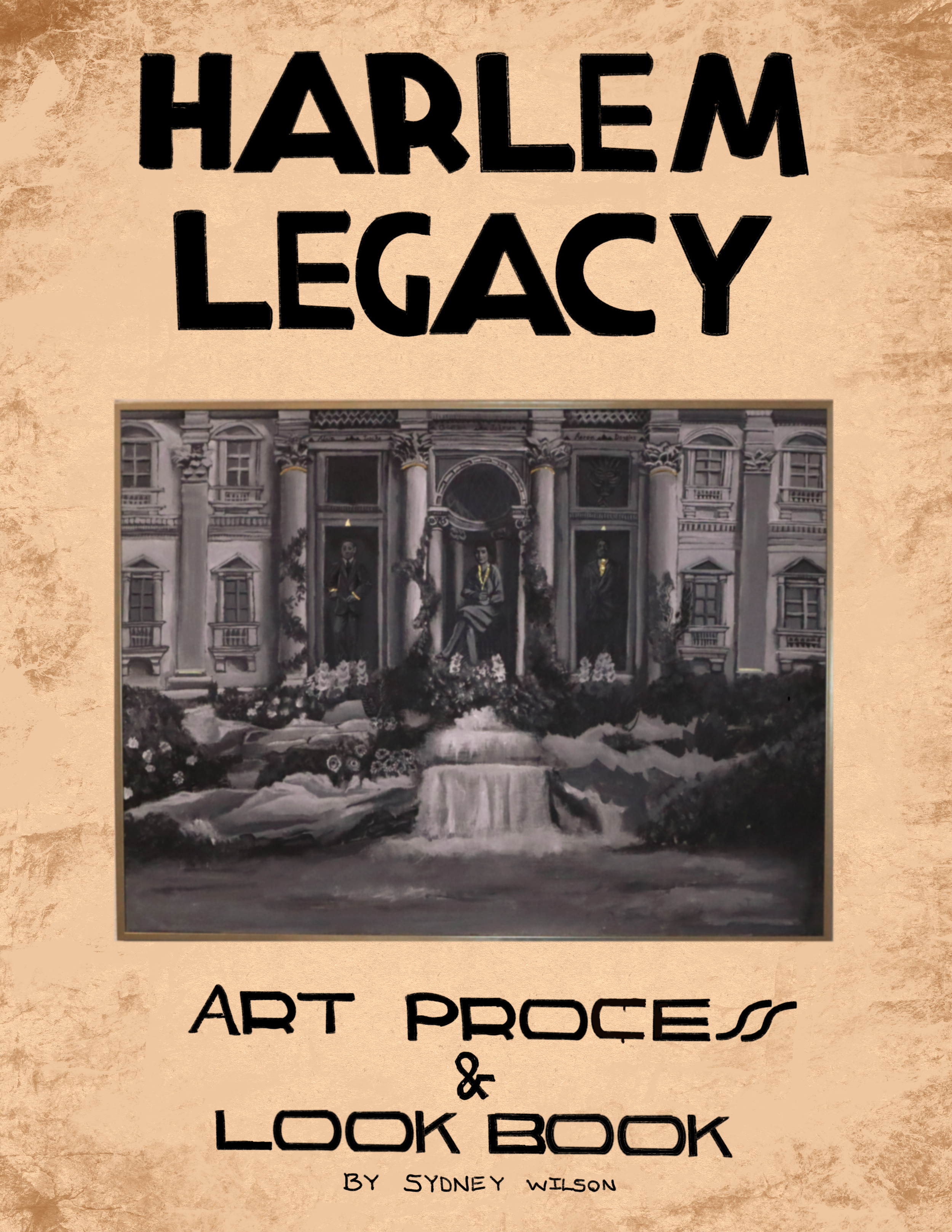
HARLEM LEGACY LOOKBOOK
HARLEM LEGACY LOOKBOOK
Sources
More information such as other books/articles to read, people to look into, and other web sources will be included in my lookbook. As of now, I have included links to the figures listed above in case you wanted to read or gain further insight on their impact.
ALAIN LOCKE:
https://aaregistry.org/story/alain-lock-leading-philosopher-proponent-of-black-music-and-literature/
GEORGIA DOUGLAS JOHNSON:
https://aaregistry.org/story/georgia-douglas-johnson-poet-and-playwright-of-harlem-renaissance/
https://usso.uk/research/literature-research/african-american-theatre-and-the-s-street-salon-community-building-and-articulations-of-race-and-gender-at-georgia-douglas-johnsons-saturday-nighters/
AARON DOUGLAS:
https://www.civilrightsteaching.org/resource/study-artist-aaron-douglas
https://aaregistry.org/story/from-topeka-to-harlem-artist-aaron-douglas/